Clinical Research Trials for Cancer in Northwest Florida
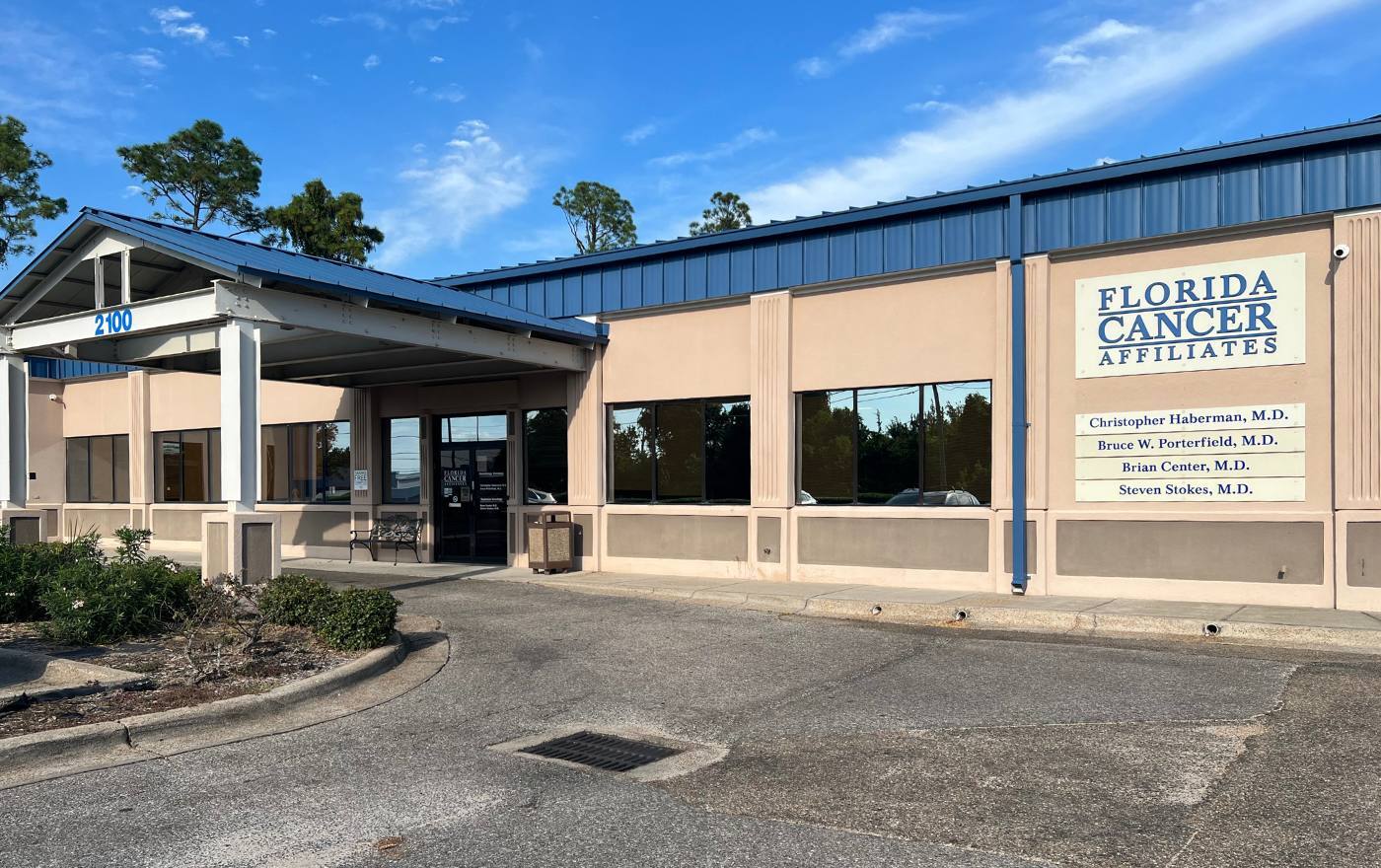
Florida Cancer Affiliates is dedicated to providing the latest cancer treatment options to community members in the Florida Panhandle. Patients no longer need to travel far for advanced care. Our cancer clinic in Panama City, Florida, provides access to state-of-the-art cancer research trials.
Through our partnership with the Sarah Cannon Research Institute (SCRI), a joint venture with US Oncology Research, our oncologists can offer qualifying patients access to some of the most recent breakthroughs in cancer treatment. Our cancer research team includes oncologists and research nurses dedicated to helping patients access trials whenever appropriate.
Together, our research has made significant progress in developing treatments for cancer, including but not limited to lung cancer, breast cancer, prostate cancer, and colorectal cancer. If you or a loved one receives a cancer diagnosis, whether it is the initial diagnosis or a recurrence, there may be a clinical trial available. Consult with our oncology team for more information on a clinical trial for cancer
Purpose and Importance of Cancer Research Trials
Most of the standard cancer treatments available today would not exist without cancer research and the participation of individuals in clinical trials. These trials are a key research tool for developing improved and new treatment therapies for all types of cancer.There are four types of clinical trials, including:
Treatment trials that test new cancer drugs, medical procedures, or treatment combinations. Most trials available to patients at Florida Cancer Affiliates are in this category.
Prevention trials consider cancer risk and ways to reduce that risk by making lifestyle changes (called action studies) or taking a substance (called agent studies), such as medicines, vitamins, or minerals.
Screening trials test new methods for detecting diseases early, when they may be more easily treated and managed.
Quality of life trials investigate methods to enhance the quality of life and comfort for cancer patients.
For more information, please contact a clinical research coordinator at Florida Cancer Affiliates.
Jaai Deodhar, MPH
Clinical Research Coordinator II
(850) 763-0036
How Cancer Research Trials Work
Cancer researchers and oncologists design clinical trials to evaluate new treatments or test combinations of existing therapies to improve cancer outcomes.
Each trial follows strict scientific and ethical guidelines. Before a study begins, a detailed protocol is developed that describes the process and explains why the study is necessary. An independent committee of cancer specialists then reviews the protocol to make sure it is safe for participants before starting the trial. The type of cancer, previous treatments, age, gender, and overall health history determine if a patient is eligible.
Clinical Trial Phases
Clinical trials are structured into four phases. Most clinical trials at Florida Cancer Affiliates are Phase III (3) or Phase IV (4).
Phase I clinical trials test a new treatment for the first time in a small group of approximately 15-30 people, evaluating safety, including a safe dosage and potential side effects. It can include healthy participants or patients with the disease under study.
Phase II clinical trials study the new treatment in a larger group of fewer than 100 people to determine its effectiveness and further evaluate its safety. Phase II trials include participants with the disease under study and help determine common short-term side effects and risks.
Phase III clinical trials evaluate how effective a new treatment is in large groups of patients, ranging from 100 to thousands. It is compared to other standard or experimental therapies, while monitoring for side effects and collecting information that will allow its safe use.
Phase IV clinical trials are conducted after a therapy has been approved by the Food and Drug Administration (FDA) and is commercially available. Phase 4 clinical trials are often meant to monitor the effectiveness of an approved treatment within the general population. They also serve to collect information about any side effects related to widespread use.
Randomization
All patients participating in a clinical trial for cancer treatment receive life-saving treatment. Clinical trial randomization is the random assignment of patients to groups receiving different treatments. Typically, the investigational group gets the new treatment, and the control group receives standard therapy. Researchers compare the groups to determine which treatment is more effective or has fewer side effects.
Randomization prevents bias, which is when human choices or preferences skew a trial's results.
Randomization occurs in all Phase III and some Phase II trials.
What to Expect When Participating in a Clinical Trial
If you are eligible for a clinical trial, your team will provide you with all of the necessary details, including how the trial will be conducted, possible risks, and expected benefits. Before participating, you must sign an informed consent document confirming you have received and comprehend all the details of the trial. This informed consent still allows you to leave the trial at any time for any reason.
Treatment in a clinical trial may be administered in different ways, depending on the trial.
These methods can include:
Medication taken orally
Injections
Intravenous (IV) medications
Radiation
Surgery
It is important to follow the treatment protocol and attend all scheduled appointments. Discuss any side effects with your care team, as these effects are also being studied as part of the trial. Speaking with your team about side effects also allows them to help you manage any side effects you experience effectively.
After the trial is complete, you will go into follow-up care, where you will be monitored for health updates to determine whether the drug tested in the trial is safe and effective. This could last for months or years, depending on the cancer type you had and the treatment received. Follow-ups help researchers understand its long-term effectiveness and impact on quality of life.
How Cancer Clinical Trial Participation Can Benefit You
Clinical trial participation gives you access to new research treatments before they are widely available. Your participation may also help others by contributing to medical research. Through clinical trials, you receive:
Personalized medicine: Specific genetic markers, mutations, or DNA sequencing specific to you are considered before recommending the best treatment approach.
Careful monitoring: Healthcare professionals monitor your response to the therapy closely and check for any side effects. Clinical trial participants are usually monitored more frequently than those receiving standard treatments, and this continues even after the trial ends.
Safety assurance: Treatments are strictly regulated by the FDA, with thorough testing protocols in place before any treatment is approved for human testing.
Conveniently located treatment: You can receive treatment close to your home.
Access to the latest treatments: You have the opportunity to try the most innovative treatment methods before they are available to the general public.
Participation in clinical trials is strictly voluntary, and not every patient is eligible to participate. Ask your oncologist if a clinical trial could benefit you.
For most patients, clinical trials are not the first course of treatment. As you progress through cancer treatment, you may qualify for a study. However, you will never be added to a trial without your consent and approval.
Those considering participation are provided with informed consent, which involves explaining the study’s purpose, risks, and benefits of a clinical trial. If you start a trial and change your mind at a later time, you may withdraw your decision for any reason.
Contact us directly or click the link below to learn more about the clinical trials available at Florida Cancer Affiliates.
For more information, please contact a clinical research coordinator at Florida Cancer Affiliates.
Jaai Deodhar, MPH
Clinical Research Coordinator II
(850) 763-0036
Florida Cancer Affiliates Offering Clinical Trials
Clinical trial participation allows the oncologists at Florida Cancer Affiliates to provide valuable access to new cancer research for our patients in the Florida Panhandle community. This means patients can remain close to home while undergoing cancer treatment using the latest therapies, while their own physician continues to monitor their care.